
The electricity bill for a factory or commercial building is not based on consumed units alone. It also reflects the highest power drawn during the billing period. That component is the demand charge, and it is usually set by a window of only a few minutes in the month.
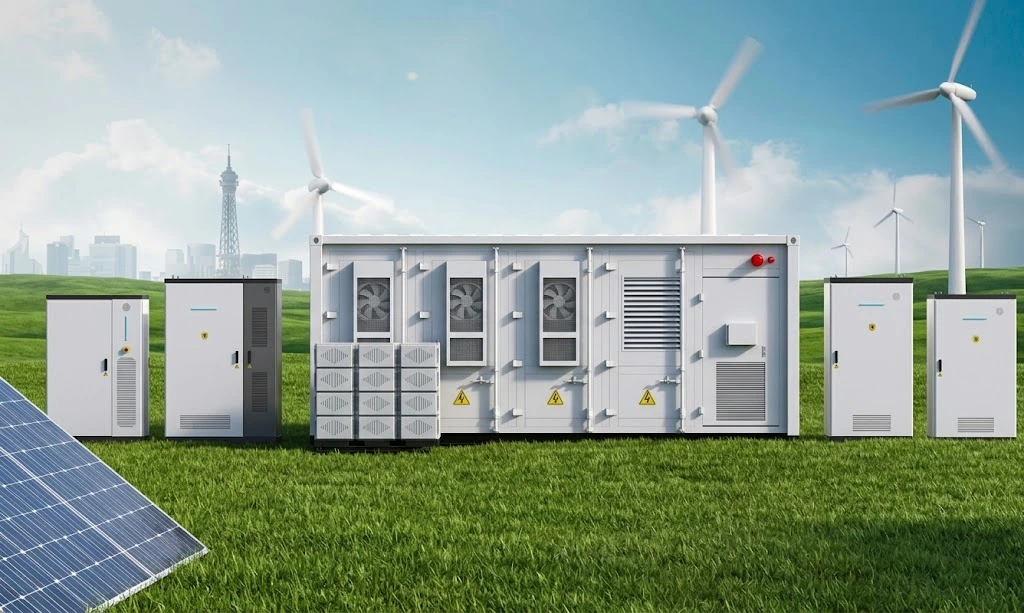
Starting several machines at once, just once, can therefore lift the whole month’s bill noticeably. This is exactly where energy storage works: the battery supplies supplementary power during load spikes so that the power drawn from the utility never exceeds the ceiling you set.
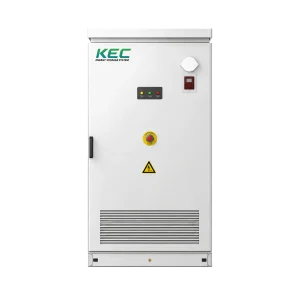
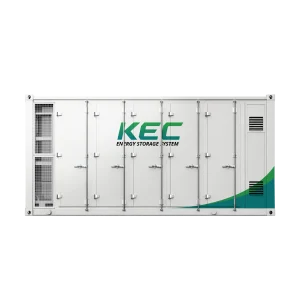
Assessing the business case starts with two things — the tariff structure you are on, and at least 12 months of historical load data. From there the system is sized to the actual peaks: a 200 kWh class cabinet for a mid-sized load, or a 500 kWh class system and above for plants with sustained high demand.