
Lithium batteries used in energy storage come in several chemistries, but two dominate: LFP (lithium iron phosphate) and NMC (nickel manganese cobalt). Both store and deliver energy the same way, yet their characteristics differ clearly.
NMC offers higher energy density per unit of weight, which suits applications where weight and space are the main constraints. LFP has greater thermal stability, tolerates a wider temperature range, and delivers more cycles under daily charge and discharge.
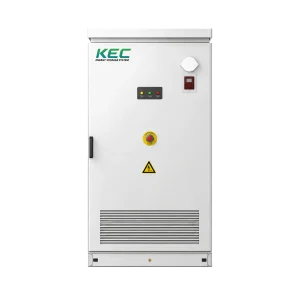
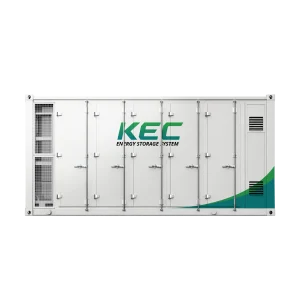
In a stationary system, weight is not a meaningful constraint, so safety and service life come first. That is why every KEC system — both the C&I and the containerized range — uses LiFePO₄ cells, and why the containerized systems are designed to operate from -30°C to 55°C.